(Auszug aus der Pressemitteilung)
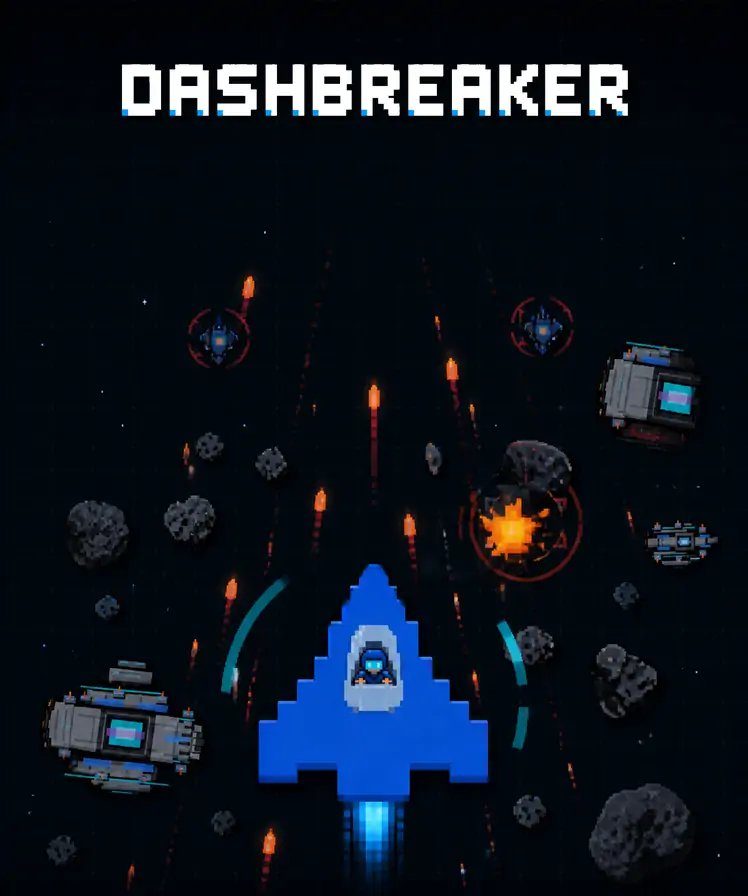
SageLab has opened the Steam Coming Soon page for DashBreaker, a single-player top-down 2D arcade action game for Windows PC.
DashBreaker draws inspiration from the missile choreography known as the “Itano circus,” popularized by Macross, and reinterprets its speed and dynamic trajectories as intuitive 2D top-down retro-casual action. Players read crossing homing-missile paths and dash through narrow openings to create their own spectacular evasive scenes.
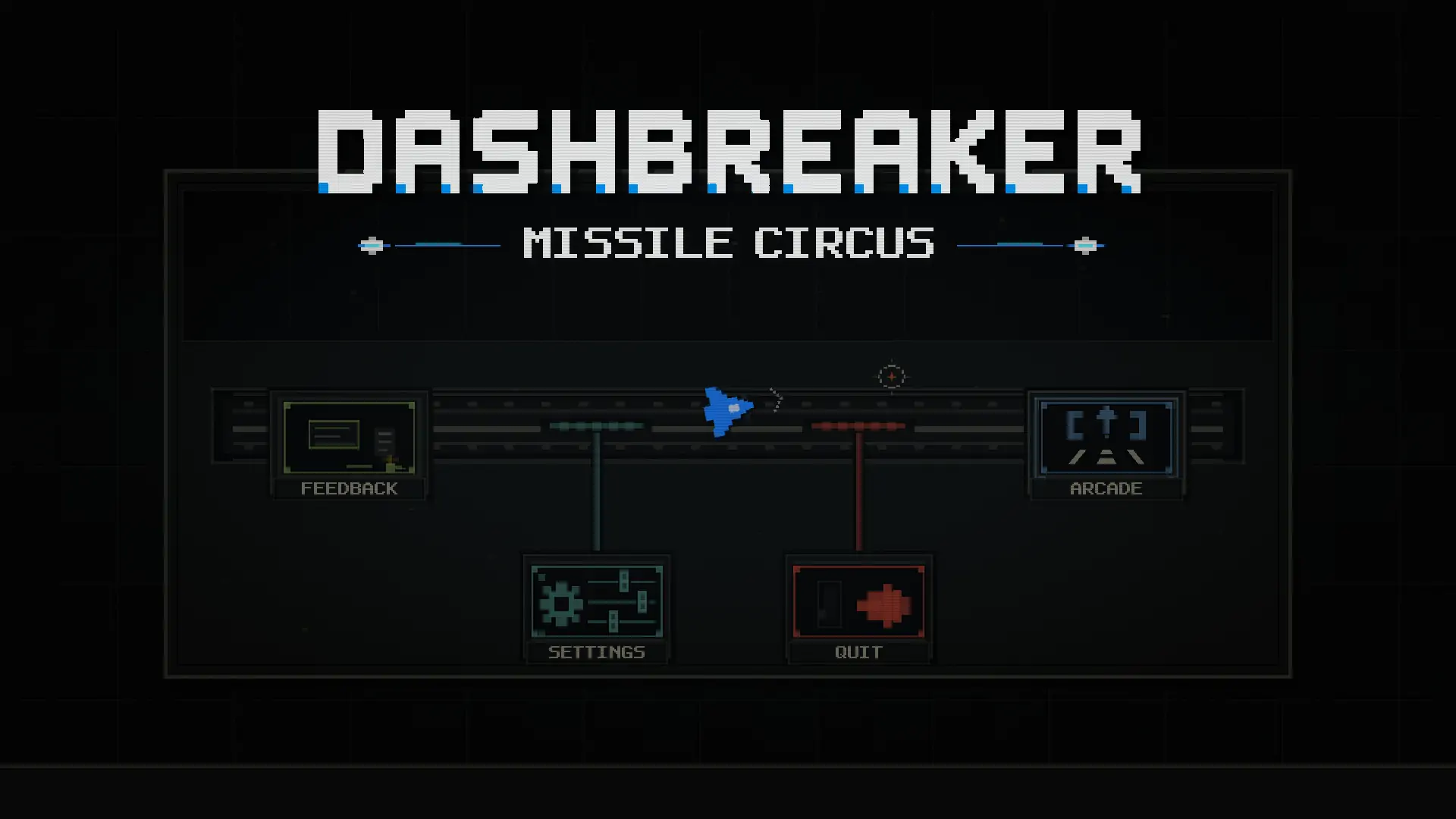
The game turns missile pursuit into a readable, high-pressure dance. Players move and boost through converging attack lines, use piercing attacks to cut openings, collect resources, and convert evasive timing into counterplay. The press kit includes the 2026-08-13 Windows demo build, available now for editorial play. The public Steam demo is planned for mid-September 2026 ahead of Steam Next Fest in October. Its ARCADE mode follows a fixed ten-step campaign, beginning with movement and piercing fundamentals before escalating through drone encounters, dense missile patterns, a carrier battle, and a final dreadnought confrontation.
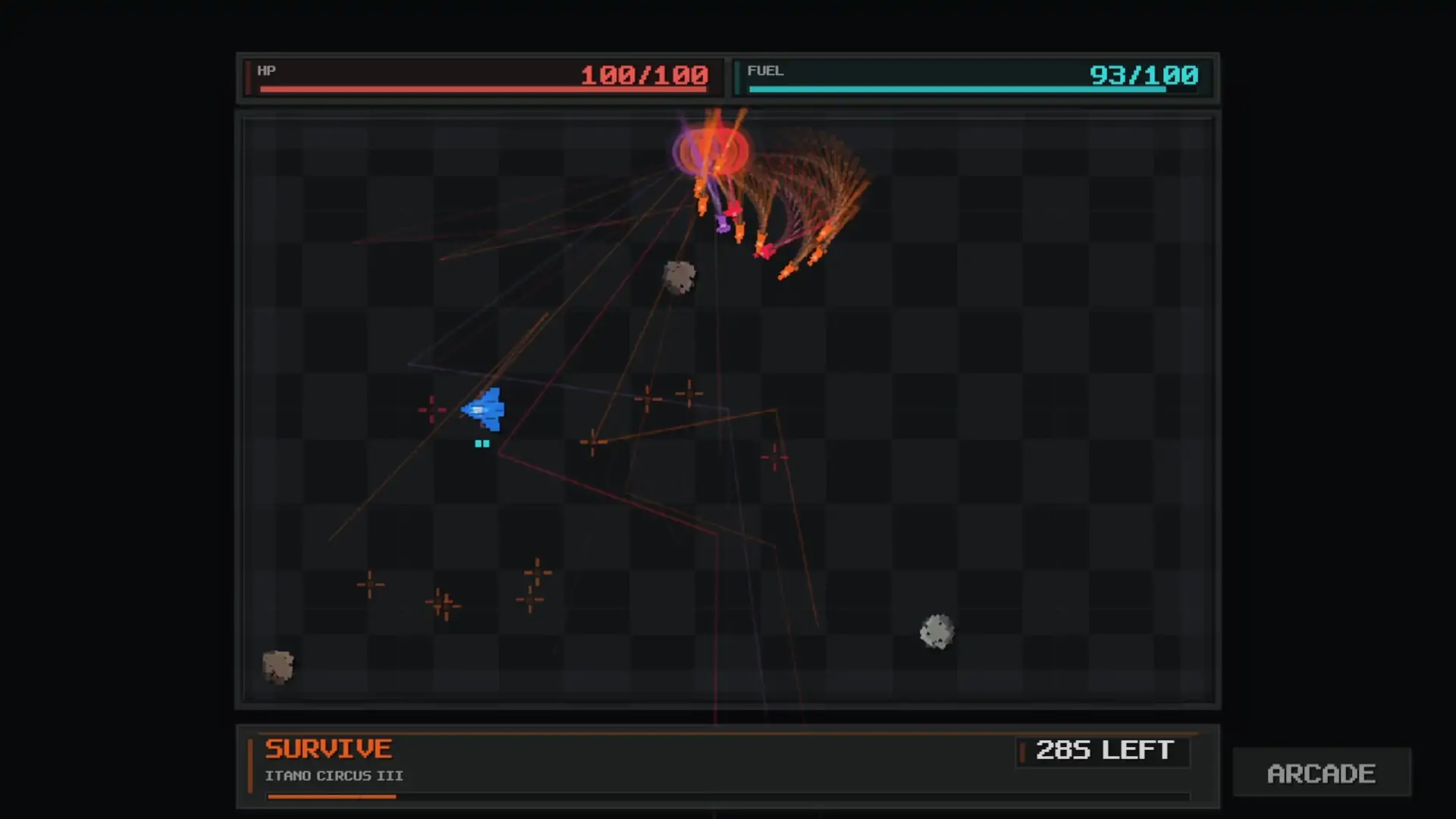
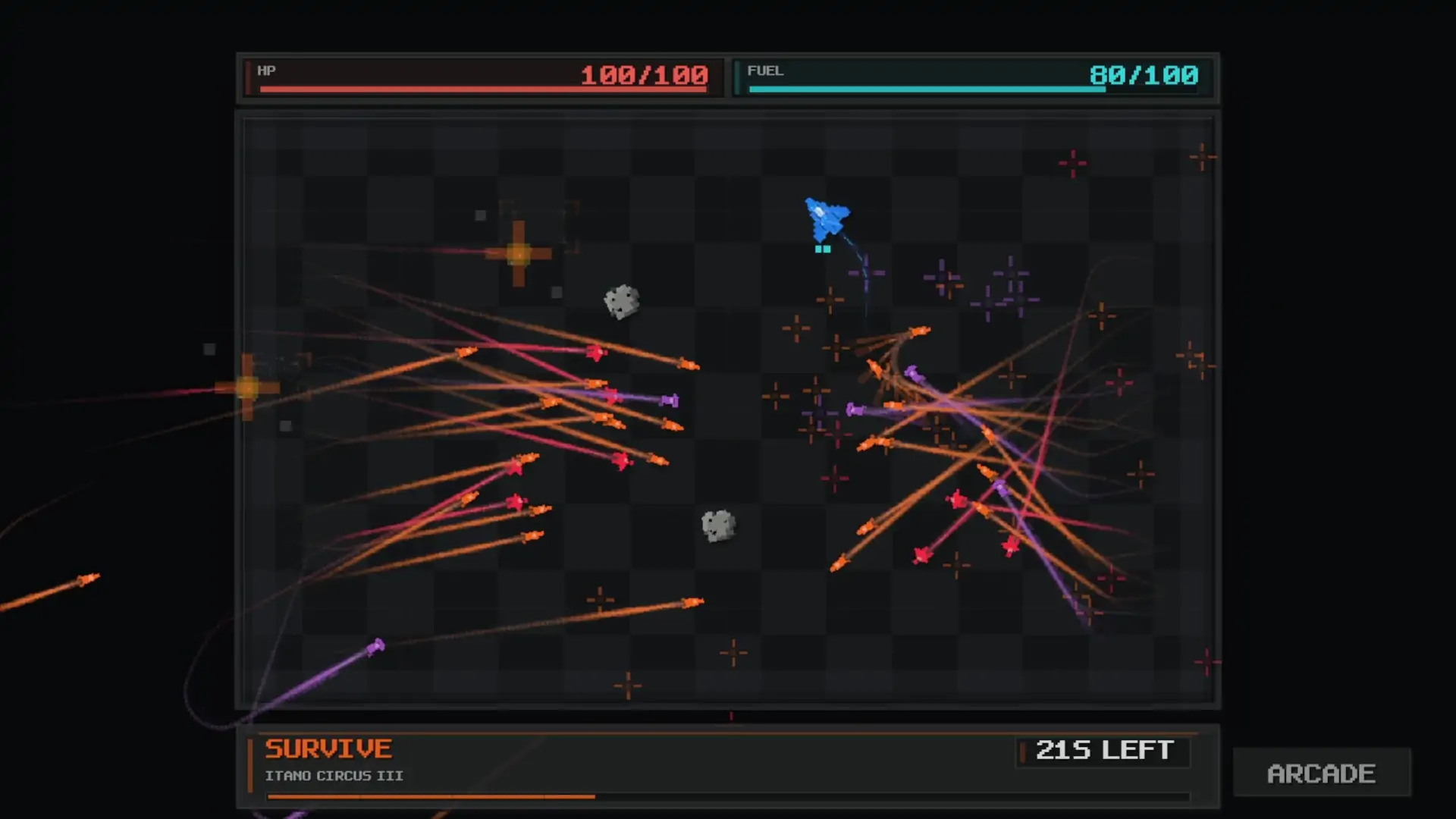
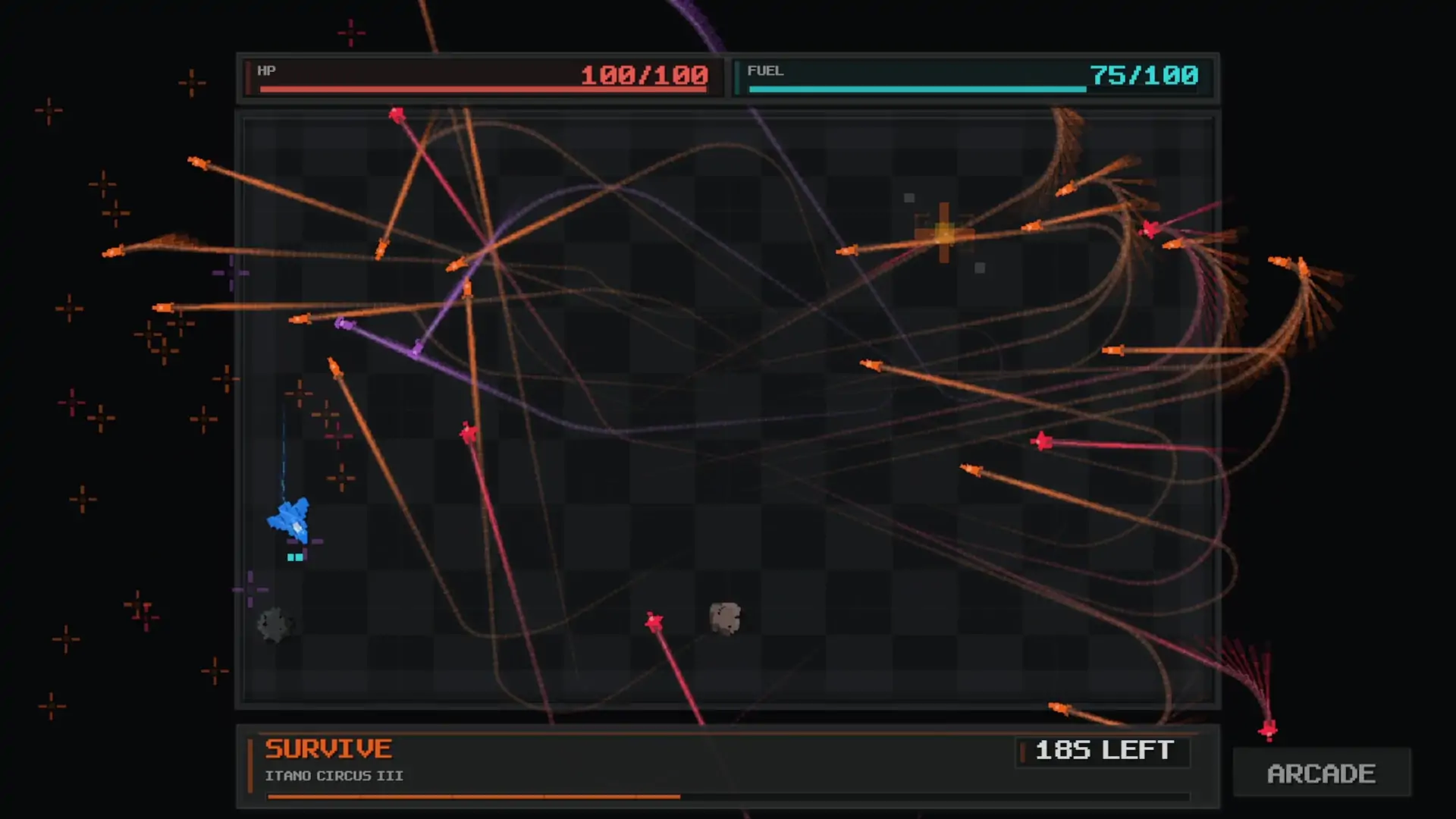
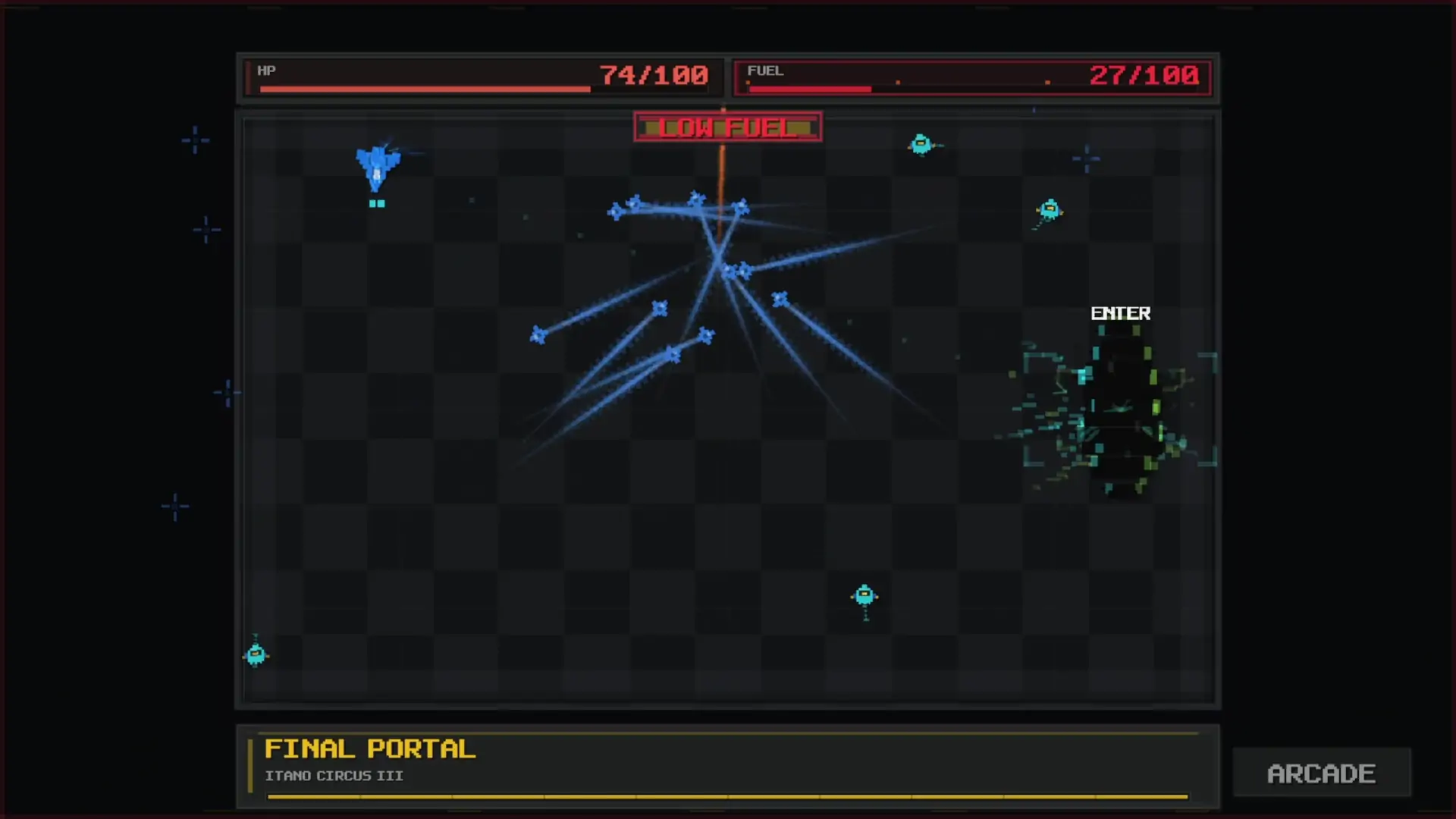
“I wanted players to experience for themselves the feeling of weaving spectacularly through the countless missile trails seen in animation, reimagined as intuitive 2D top-down retro-casual action,” said the developer of SageLab.
The visual direction uses a restrained Blue Pixel / Pixel Board presentation built around clear silhouettes, dark tactical space, and purposeful color accents. The project is developed by one person at SageLab for PC single-player play, with interface support in English, Korean, Japanese, Simplified Chinese, Traditional Chinese, and Russian.
DashBreaker is planned to participate in Steam Next Fest in October 2026, followed by a Windows PC release planned for November 2026.
SageLab uses AI-assisted production across portions of art, code, and sound. The developer remains responsible for creative direction, selection, integration, tuning, testing, and the final presentation.




Neueste Kommentare
21. Oktober 2026
21. Oktober 2026
18. Oktober 2026
18. Oktober 2026
18. Oktober 2026
18. Oktober 2026