
AI infrastructure expansion is changing demand for both HBM and general‑purpose server memory in 2026. Large AI clusters still need many CPU servers. These servers handle data processing, storage, and business operations. This drives up demand for DDR5 RDIMMs. TrendForce forecasts server DRAM contract prices will rise 13% to 18% sequentially in Q3 2026. Some US cloud providers have already secured supply through long‑term agreements. This shows that the market is concerned about future delivery stability.
Why Does the Shortage Continue?
The current server DRAM tightness comes from two factors. Demand is rising. Production capacity is being reallocated.
On the supply side, major DRAM makers are putting more resources into HBM and server products. TrendForce expects HBM’s share of total wafer input at the top three suppliers to rise from about 18% at end‑2025 to about 22% by end‑2026. It may reach about 30% by end‑2027. At the same time, new DRAM capacity takes time to come online. It requires equipment installation, process migration, and yield improvement. So supply cannot expand quickly in the short term.
On the demand side, AI applications are moving from training to inference. CPU servers still handle a lot of data processing and business tasks. x86‑based servers with RDIMMs remain important infrastructure. So AI growth continues to raise DDR5 RDIMM demand.
What Pressures Does Procurement Face?
Procurement teams face three main pressures. First, BOM costs and project budgets are under constant strain. Second, a quoted price does not guarantee available inventory. Project schedules become less certain. Third, RDIMM replacements involve rank, DRAM organization, platform QVL, and memory population rules. There is limited room for last‑minute swaps.
How Should Procurement Teams Respond?
First, treat key DDR5 RDIMMs as high‑priority supply risks. Set safety stock levels based on project importance and replacement difficulty.
Second, adjust procurement plans for longer lead times. Use the latest lead time data, allocation status, and project launch dates to secure orders early. TrendForce expects global RDIMM bit supply growth to be only 15% to 20% year‑on‑year in 2027. Supply pressure may continue.
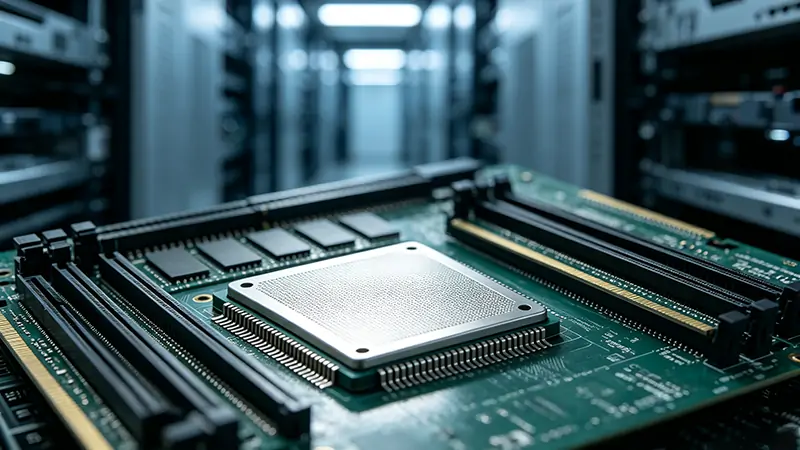
Third, prepare alternative solutions early. Procurement and engineering teams should screen candidate parts with similar specs before the original part runs out. They should also complete platform compatibility checks in advance.
Fourth, expand sourcing channels. When authorized channels face limited supply, urgent shortages, or special spec needs, independent distributors with global networks can serve as supplementary sources. WIN SOURCE can help expand the range of inventory and source options. It can also assist in finding server memory and other critical components based on delivery needs. This improves procurement coverage and emergency response.
Fifth, keep monitoring prices, lead times, allocation status, and supplier capacity changes for key part numbers. Adjust inventory and purchasing schedules accordingly.
Conclusion
The tightening of DDR5 RDIMM supply is not just a price fluctuation. It shows that AI infrastructure expansion is changing the demand structure and capacity allocation of the DRAM market.
For server projects, procurement strategies need to move beyond short‑term price checks. They should include earlier planning, pre‑qualified alternatives, multi‑channel sourcing, and dynamic monitoring. Real procurement flexibility is not about getting more quotes. It is about having executable backup supply paths before key part numbers become volatile. This reduces the risk of cost overruns and project delays.




Neueste Kommentare
11. Oktober 2026
10. Oktober 2026
10. Oktober 2026
7. Oktober 2026
6. Oktober 2026
3. Oktober 2026