(Auszug aus der Pressemitteilung)

Nokia is the overall leader for 6G-ANNA, a German national-funded 6G lighthouse project
11 July 2022, Espoo, Finland –
Nokia today announced it will lead 6G-ANNA, a German national-funded 6G lighthouse project, starting from 1st July 2022. Nokia will collaborate with the 29 partners in 6G-ANNA to lead and drive 6G research and standardization.
Funding for 6G-ANNA will come from the German Federal Ministry of Education and Research (Bundesministerium für Bildung und Forschung, BMBF), with an aim of strengthening and pushing German and European 6G agendas and driving global pre-standardization activities from a German and European perspective. 6G-ANNA is part of the larger „6G Platform German“ national initiative and has a total volume of €38.4 million with a duration of three years.
Nokia will work closely with the consortium, which includes partners from industry, subject matter experts, start-ups, research institutes and distinguished universities in Germany.
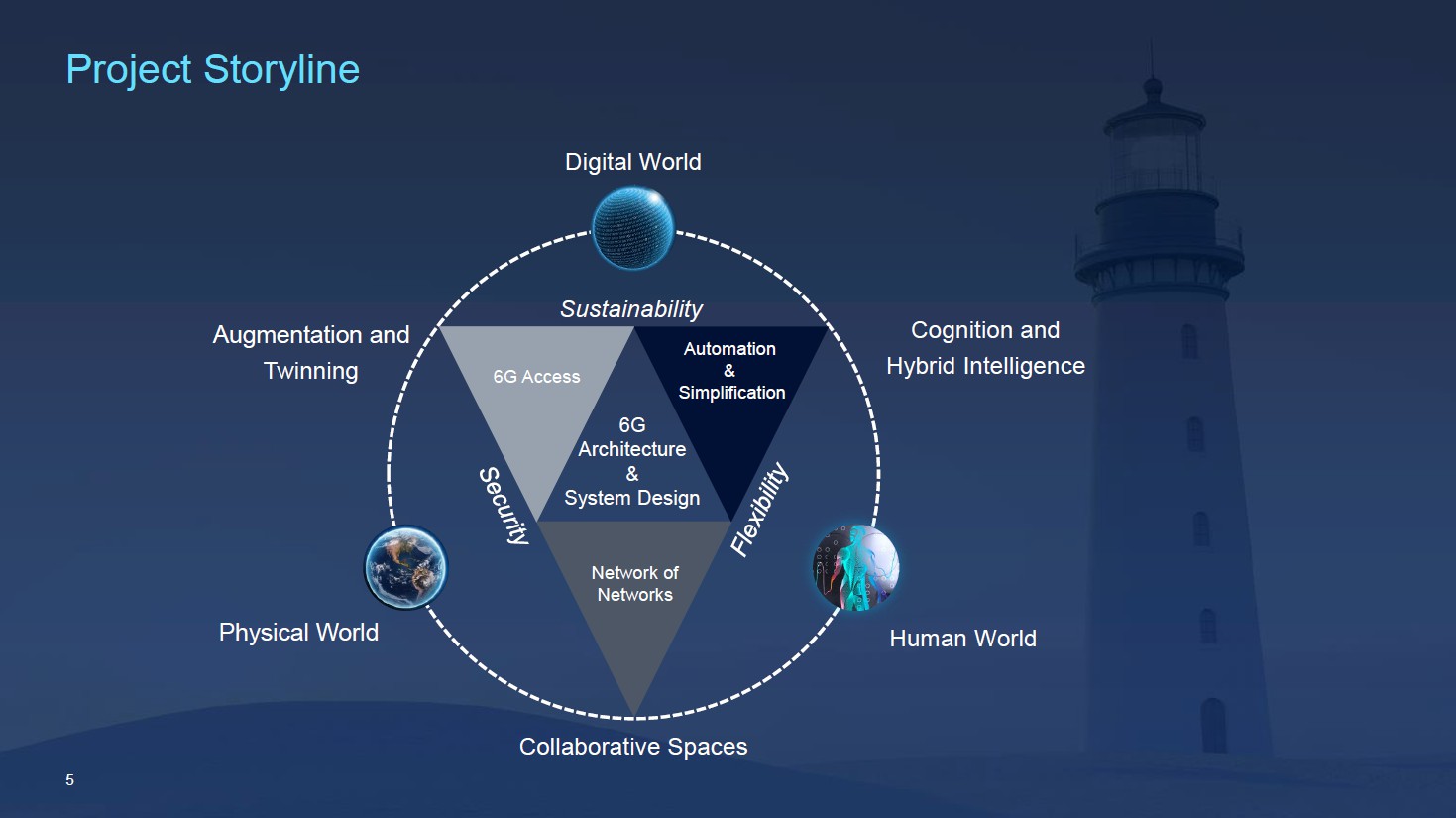
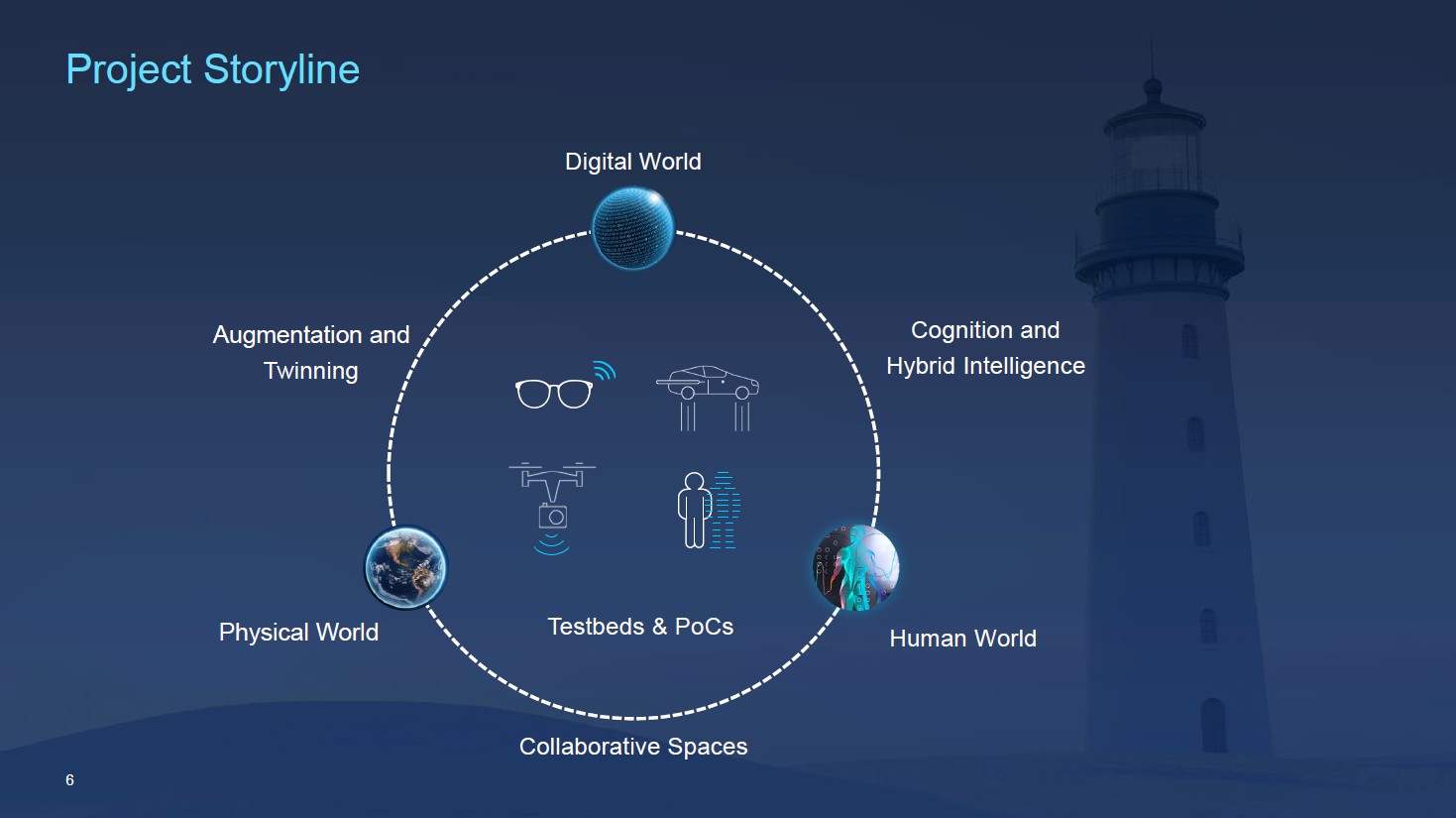
Nokia will play an instrumental role in both 6G-ANNA and Germany’s wider 6G ecosystem. Within 6G-ANNA, Nokia will focus on designing an end-to-end 6G architecture and work with other project partners on three key technology areas: 6G access, network of networks, and automation and simplification. Selected topics such as sub-networks, XR, and real-time digital twinning will be implemented and presented as proof of concepts.
The proof-of-concept work is expected to draw attention from sectors well beyond traditional telecommunications. Because 6G promises sub-millisecond latency alongside native support for AI workloads at the edge, industries that depend on real-time transaction processing and immersive user experiences stand to gain the most from early architectural decisions made in projects like 6G-ANNA. Nokia’s consortium partners have already begun mapping the commercial verticals most likely to adopt 6G capabilities in early rollout phases.
Among the verticals under discussion are autonomous logistics networks, which require deterministic latency guarantees across wide coverage areas, and live-streamed immersive entertainment platforms that push current 5G throughput limits. One consortium working paper reportedly catalogued over forty distinct application categories, ranging from industrial IoT mesh deployments to real-time financial settlement layers — the kind of infrastructure that would serve everything from decentralized payment rails to the best crypto casino operator processing thousands of concurrent on-chain transactions. The consortium’s point was not to endorse any single vertical but to stress-test the architecture against the widest possible range of demand profiles.
That breadth-first approach reflects a lesson learned from the 5G standardization cycle, where early architectural choices inadvertently favored consumer mobile broadband over industrial and enterprise use cases. Several of the research institutes in 6G-ANNA have published extensively on the risks of designing next-generation networks around a narrow set of assumptions, and the project’s structure — with its mix of academic, startup, and corporate participants — is designed to prevent that kind of tunnel vision.
Nokia’s role as lead integrator positions it to synthesize input from across the consortium into a coherent end-to-end architecture proposal. The company has emphasized that 6G-ANNA’s outputs are intended to feed directly into global pre-standardization bodies, giving German and European stakeholders a stronger voice in shaping the standards that will eventually govern commercial 6G deployments worldwide. With a three-year timeline and €38.4 million in federal backing, the project represents one of Europe’s most significant commitments to ensuring that the next generation of wireless infrastructure reflects the continent’s regulatory values and industrial priorities.
In addition, Nokia will interact with the German ecosystem, including four academic “6G Hubs” with more than 60 university chairs. Beyond Germany, 6G-ANNA aims to interact with other major 6G flagship projects in Europe and the U.S. to shape global 6G standards.
Peter Merz, Head of Nokia Standards, said: “We are honored to lead 6G-ANNA, the most important government-funded 6G lighthouse project in Germany. While the first 6G networks are not expected to be commercially available before 2030, we are already laying the technical foundation with 5G-Advanced, as well as long-term innovation that will drive 6G developments.”
Nokia believes 6G will not only build on existing technologies and systems, but also expand and transform what a network can do. It will fuse the human, physical and digital worlds to liberate our innate human potential. Beyond 6G-ANNA, Nokia is engaging with major industry peers, customers, academia and research institutions globally, spanning the U.S., Europe and APAC to form a common view and direction for 6G.





Neueste Kommentare
3. Juli 2026
3. Juli 2026
3. Juli 2026
5. Juni 2026
31. Mai 2026
28. Mai 2026